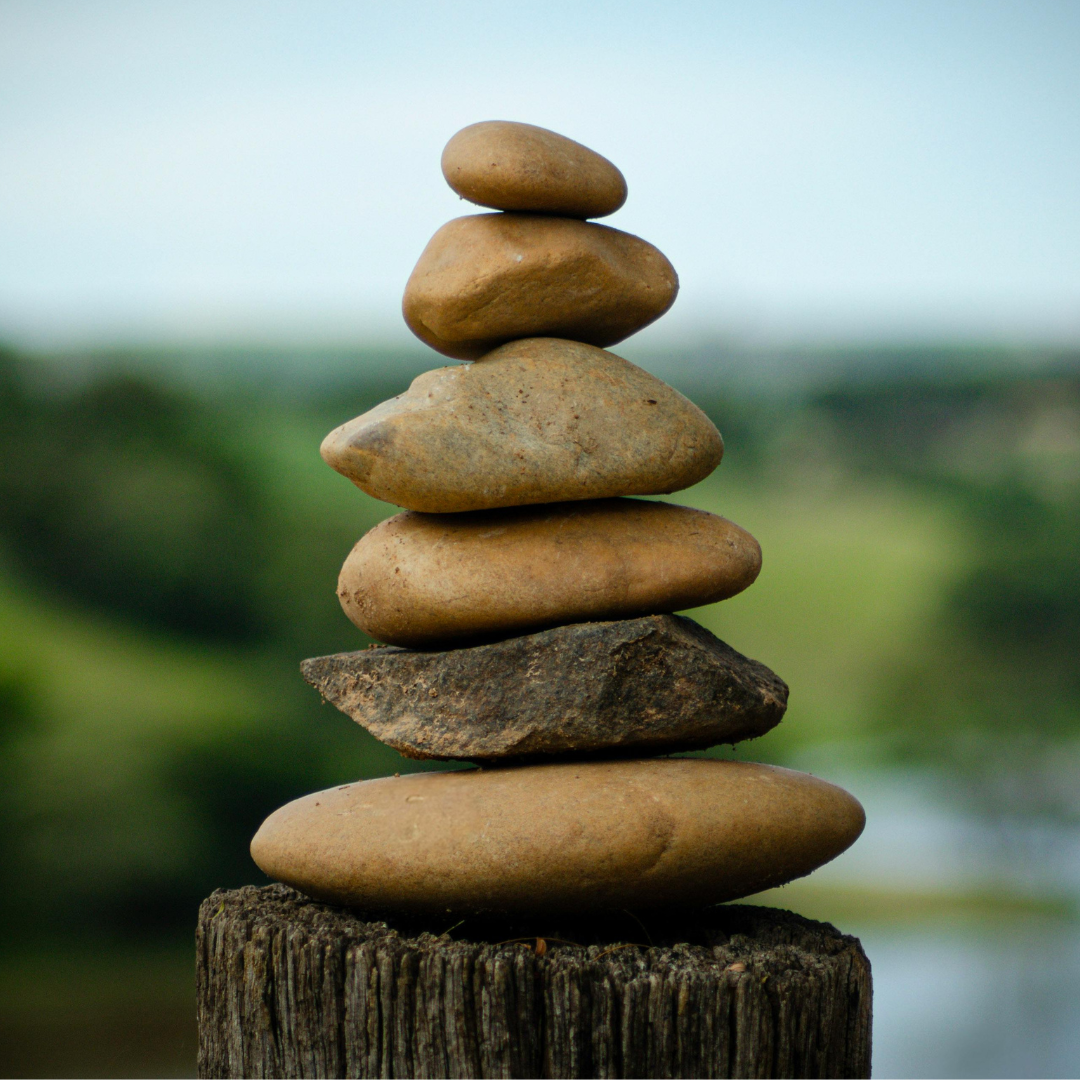
A friend used a phrase recently that stuck with me, “Live Lighter”. I let it percolate in my head for a few weeks until I had worked out why it resonated with me so much and I think I am almost there.
For many, “living lightly” might mean living with less or adopting the very trendy minimalist lifestyle which flows counter-current to modern-day consumerism, in that, in this game, the less you own, the closer you are to winning at life. I actually met a very spiritual young man this past weekend who, if held against the minimalist scorecard, would surely be on the leaderboard. Richard (34, goes by a different name now) has reduced his life’s possessions to a bag’s worth of gear and lives a nomadic lifestyle mainly between an ashram in India and a bell tent (like a teepee) in his parents’ backyard in Durban, South Africa. I can see the appeal of this unencumbered way of life. Less stuff and less clutter must undoubtedly equate to less noise and lend itself to transcending into a meditative, Zen-like state with the ease of a fat kid eating his fifth Twinkie.
The trouble for me is that although this might look like a selfless way of life, if you scrape a little deeper, you might come to understand that someone has to own the backyard and pay for the nomadic travel, even if only in economy class. Ashrams, too, are entirely supported by devotees, local philanthropists and public donations. Ultimately, for each minimalist monk you see, there is an army of capitalists making a daily 9-5 sacrifice so that they can live lightly. Ultimately, this type of living isn’t for everyone, and by its very interdependent construct, it can’t be given simple maths.
For others, living lighter has an eco-friendly meaning. I usually like these people; my wife is one of them. Here, a series of environmentally friendly micro-habits are built into daily life until they become less like chores and more like “just the way we do things.” Sustainability is the buzzword here and unlike the concept of minimalism, the only problem with this premise is that everyone should be living this way and the fact that most don’t makes it feel a bit futile. If we had more good people like my wife, then I think it might be easier for people like me to see the sense in segregating household waste and other mundane tasks. Hopefully, we will reach a point one day when more people live this way than don’t.
For me, though, living lighter takes on a more abstract angle. As I approach 50, I find myself recalibrating. Living lighter is no longer about managing possessions, it’s about managing my bandwidth. By this, I mean doing less stuff on purpose, not out of laziness but efficiency. Then, when it comes to the social stuff, it means unsubscribing from other people’s expectations, cutting energy-draining negative people out of your life, setting boundaries around doomscrolling and instant messaging and simply not saying yes to every invite you get.
Because ultimately, the lightest life isn’t the one with the fewest things it’s the one with the most room to breathe and perhaps enjoy those things.


One Response
Shaun, I think we live in a time where there is so much noise, doom and gloom, and so many demands on our attention that it is very easy to get wrapped up in things that, when you stand back and look at them, really do not matter.
I know I am certainly guilty of trying to be all things to all people, carrying other people’s loads and spending far too much time and energy on people and situations that probably do not deserve it.
Perhaps part of living lighter is learning to be much more deliberate about where we put our time and energy, and making sure we leave enough of both for the things that genuinely matter. Family, friendships, relationships and the people we actually care about can very easily get pushed to one side while we deal with endless noise and demands that seem important at the time but really aren’t.
So your point about managing bandwidth particularly resonated with me. Maybe living lighter is less about what we own and more about being selective about what, and who, we choose to carry.
A really thoughtful piece, mate.